Essay · By Máté Bikkes | November 18, 2026
The Museum Is Not Silent
Rethinking the acoustics of cultural space
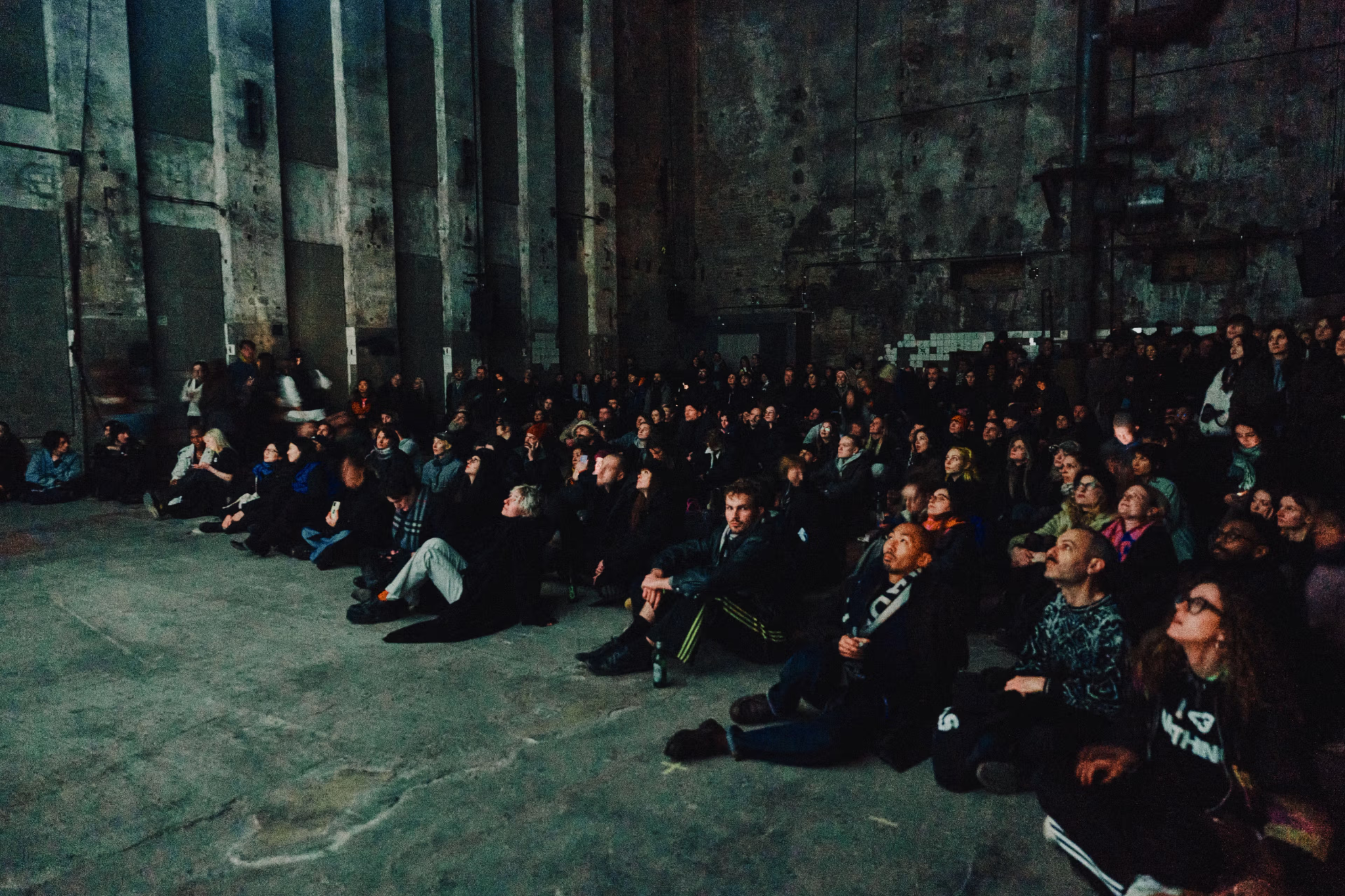
Walk into a museum and listen. Shoes strike the floor. A guide speaks to a group of visitors. Somewhere, a child asks a question. In the next room, someone is told to lower their voice.
Museums are designed to direct our eyes. But who decides what we are allowed to hear?
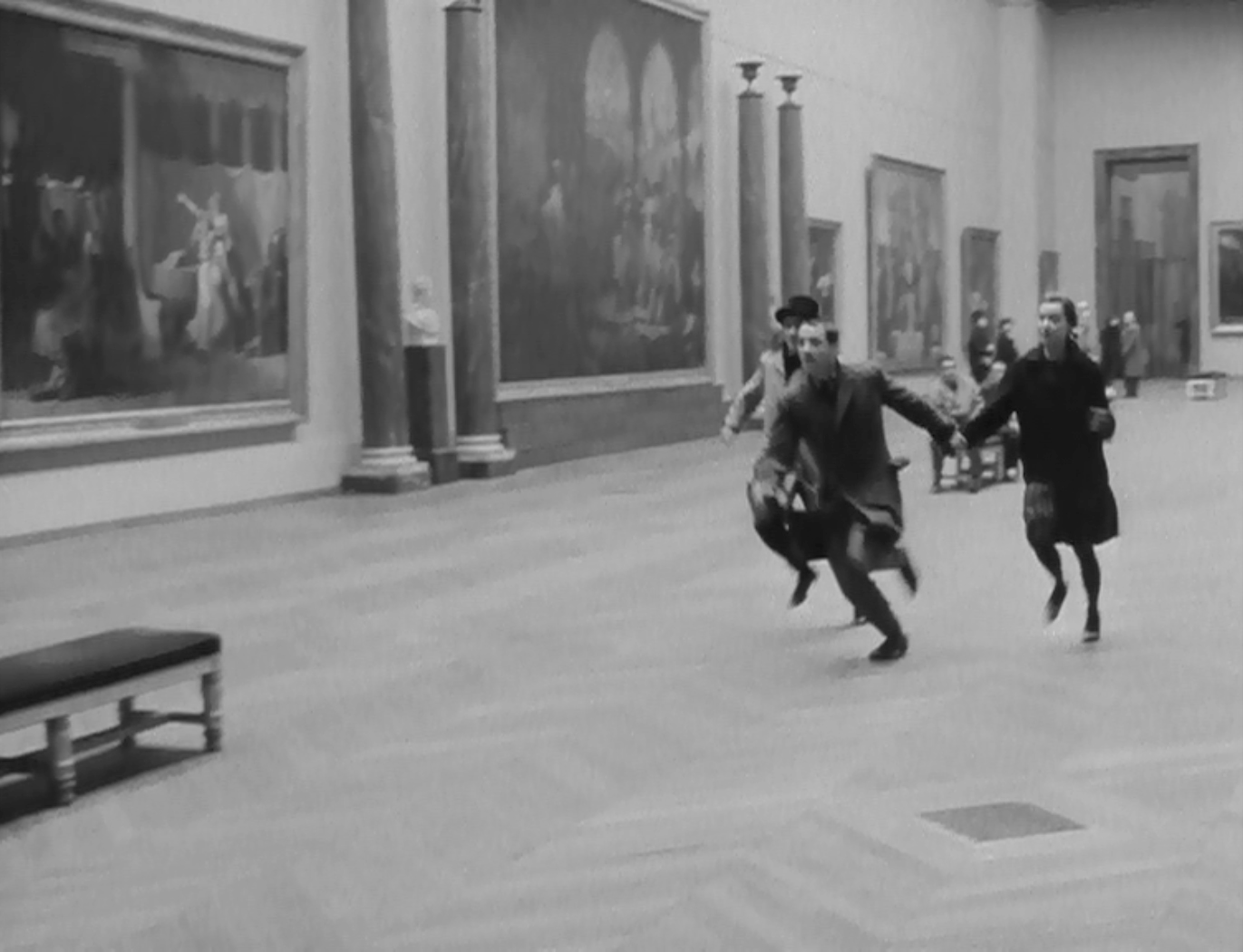
I entered an exhibition about the Jazz Age expecting to encounter the energy of the period: music, movement, conversation, and excess. Instead, I found myself in a dark, quiet gallery, conscious of every footstep I made. The contrast made me question something I had previously taken for granted: why do museums so often remove the sensory experiences of the cultures they are attempting to represent?

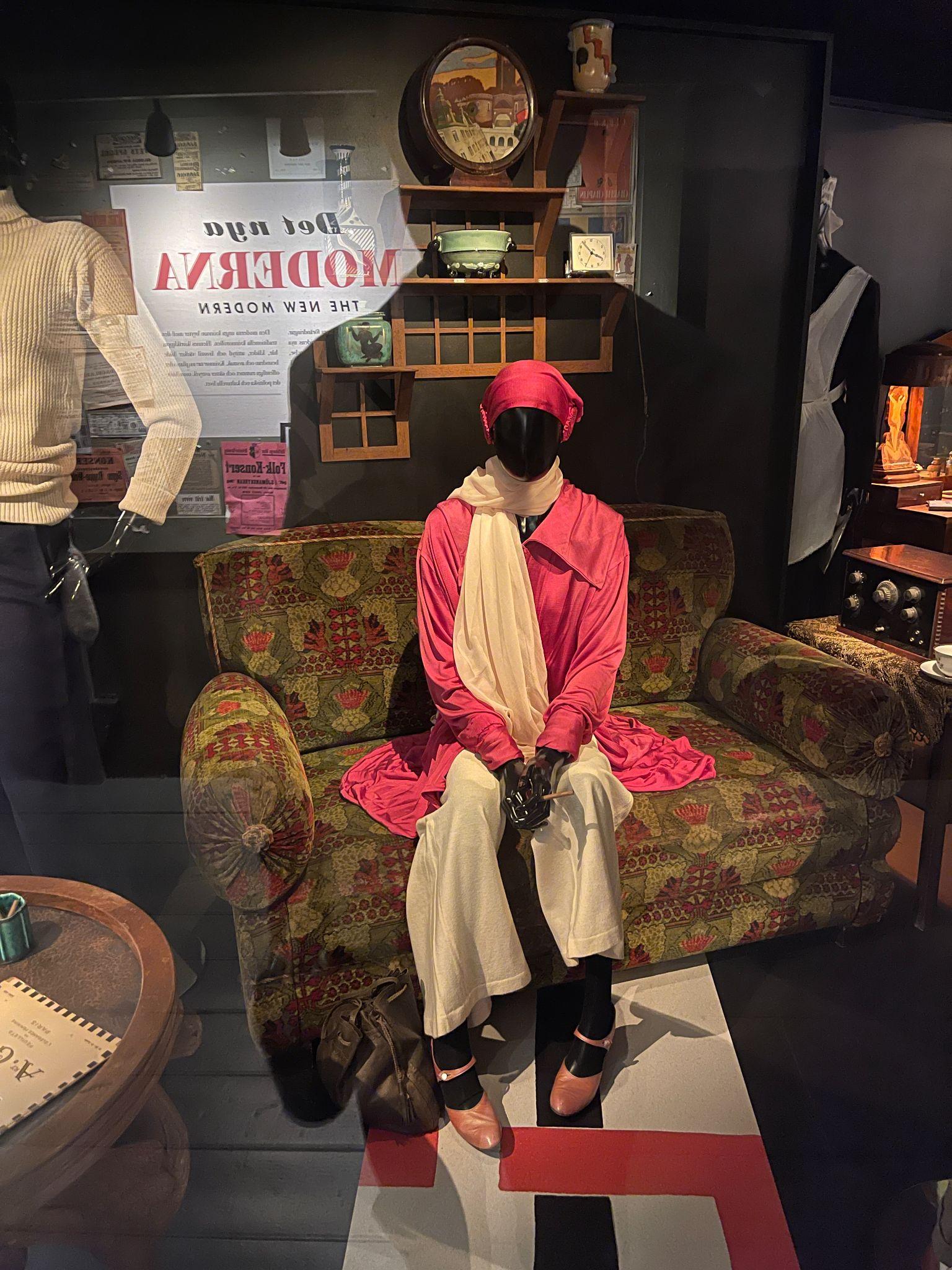
So I went on to explore this exact question. And the movie quasi-aficionado I am, as you can also tell from this article, I know that cinema has never believed in the silent museum. In Band of Outsiders (1964), Godard's three friends sprint through the Louvre in under ten minutes, racing a record. The act of running through the Louvre is provocative precisely because it violates the institution's unwritten behavioural rules. The architecture remains unchanged, but the visitors' relationship with the space is transformed. The museum becomes a place of movement and play rather than controlled observation. In Ferris Bueller's Day Off (1986), Cameron leans
toward Seurat until the figures break into dots, and nobody has to tell him to be quiet. Cameron's encounter with Seurat actually demonstrates how silence can support an intense emotional experience. Yet silence is not necessarily the enemy of emotional engagement. Cameron's encounter with Seurat suggests the opposite: a quiet museum can provide the conditions for a deeply personal experience. The question, then, is not whether museums should be silent, but whether silence should be the default expectation for every visitor and every artwork.
Museum silence is produced through both architecture and social convention. Visitors learn to lower their voices, move carefully, and limit spontaneous reactions. At the same time, the building's materials, spatial proportions, and acoustic conditions determine how even the smallest sounds are experienced.
Hard surfaces such as concrete, glass, and stone typically reflect much of the incident sound energy. Depending on the geometry and volume of the room, these reflections can produce prolonged reverberation, making footsteps and conversations more noticeable. Visual minimalism, therefore, does not guarantee acoustic comfort.
The architecture of quiet
Acoustic expectations are not universal. In The Soundscape of Modernity, Emily Thompson examines how technological developments and changing cultural attitudes shaped the way modern architecture was designed and heard. Brandon LaBelle's Acoustic Territories offers another perspective, exploring how sound establishes social relationships and spatial boundaries. Together, these ideas suggest that museum acoustics cannot be understood only as a technical question. They are also cultural decisions about which sounds belong in a particular environment, and whose sounds are considered disruptive.
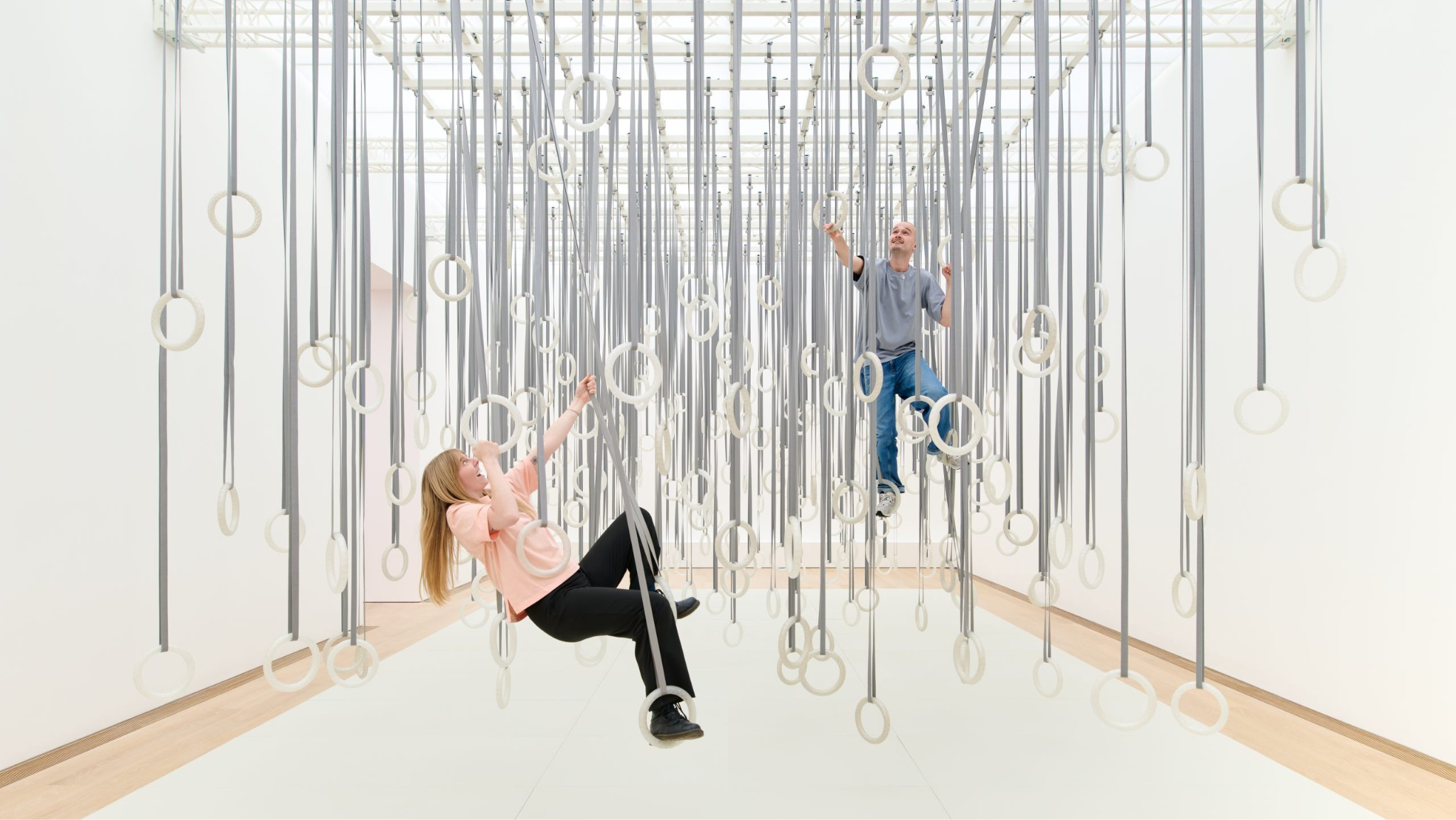
In Pierre Huyghe's Liminals, sound, vibration, moving images, and light contribute to an environment in which the visitor cannot remain a detached observer. Sound becomes part of the spatial experience, influencing how the body perceives and occupies the installation. Here, acoustics is not simply a condition to be controlled by the museum. It becomes part of the artistic medium itself.
Textiles: the soft material that argues back
Textile acoustic performance depends on more than the softness of a material. Fiber composition, porosity, thickness, density, and installation conditions all influence how sound interacts with a textile surface. Porous textiles can absorb sound energy through viscous and thermal losses as air moves through their structure. However, the degree of absorption varies significantly across frequencies, and a thin decorative fabric will behave differently from a thick nonwoven felt or a multilayer textile assembly.
The distance between a textile and the wall behind it can also affect its performance. An air cavity can improve absorption at certain frequencies, while suspended textile systems can influence the acoustic conditions of larger spaces. This means that textiles should not simply be selected for their visual softness. They should be understood as engineered architectural materials whose performance depends on their physical properties and installation.
Acoustic engineers already have good materials: mineral wool, perforated plasterboard, foam. They do their job and disappear. Textiles are the odd ones out, because they absorb sound and refuse to disappear. A curtain is also a wall you can open. Upholstery tells you to sit. A hanging cloth marks a threshold without building one. No other acoustic material divides space, sets a mood, and can be taken down when the exhibition ends.
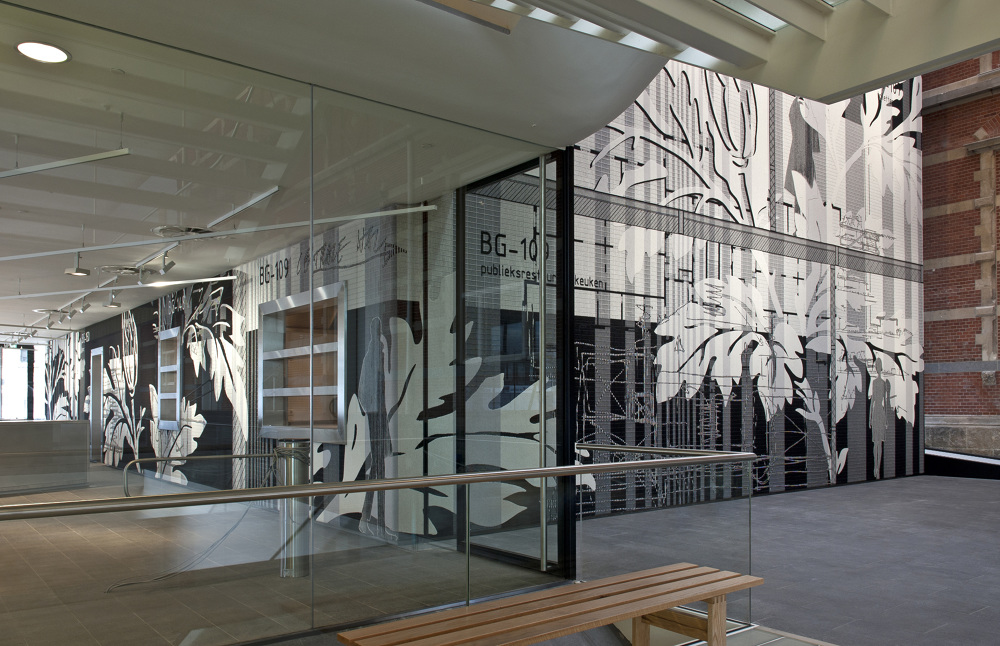
The Stedelijk's Damask shows what that looks like at scale: roughly 200 square metres of woven textile by Inside Outside, made with Desso, hung in the entrance hall where the 1895 building meets Benthem Crouwel's extension. Its floral pattern is angelica, a weed that once grew in the bogs under the site. Although the installation's acoustic contribution is not established here, the project demonstrates how textiles can operate at an architectural scale. Rather than functioning as decoration applied to a completed interior, the textile becomes part of the spatial composition, introducing a material boundary between different architectural periods.
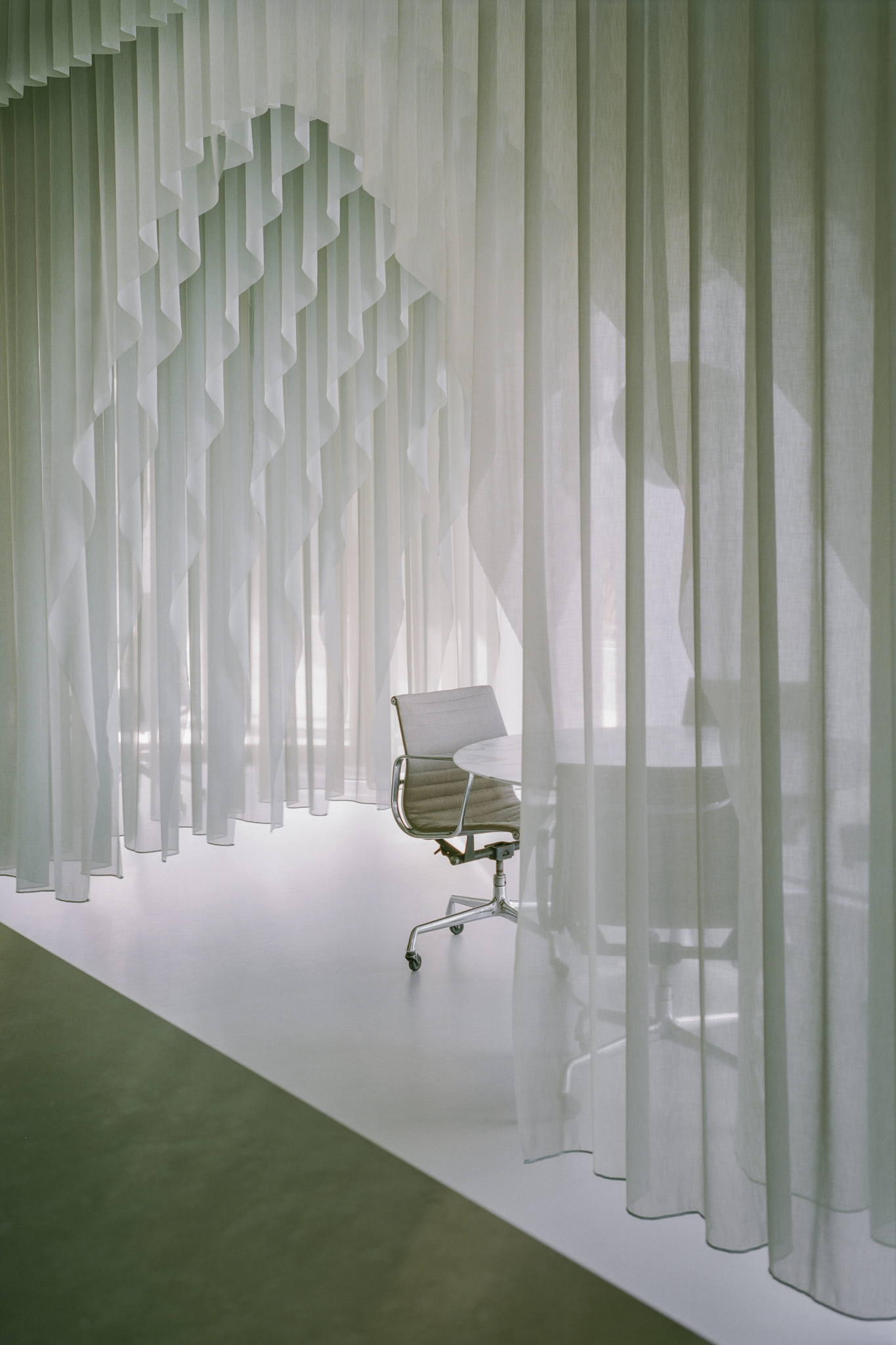
Softness is not absorption. A space can appear acoustically comfortable without performing well acoustically. Soft surfaces, curtains, and felt panels may visually suggest quietness, but their effectiveness depends on measurable material characteristics and installation conditions. A thin curtain may absorb some higher frequency sound while doing little to control lower frequencies. Similarly, a decorative felt panel may have limited acoustic impact if its thickness, surface area, and mounting are insufficient for the room. Acoustic comfort cannot be judged by appearance alone.
Materials also mean things. In a museum, where material meaning is the whole business, that is an asset. An exhibition like Wilde Rokken at Museum COBRA treats textile as art. We should be just as willing to treat it as architecture: part of the first spatial sketch, never a repair applied after the room has already failed.

Who the silence is for
Quiet is a service and a barrier at the same time. It helps concentration. It also tells families, first-time visitors, and anyone who wants to say what they see that they are doing it wrong. For other visitors, the problem runs the opposite way: overlapping voices overwhelm them, and they need low-stimulation rooms. There is no average visitor.
The acoustic needs of museum visitors are not uniform. Some people benefit from quiet environments with limited sensory stimulation, while others experience strict behavioural expectations as restrictive or intimidating. An inclusive museum should not simply choose between silence and noise. It should provide different acoustic environments that accommodate different forms of attention, communication, and emotional response.
The Rijksmuseum's sensory-friendly visiting guidance is a start, because it lets people plan around what they can handle. Spatial zoning goes further: quiet galleries beside social ones, sound-heavy works kept away from contemplation, places to pause off the main route. A museum should publish the sound of a room the way it publishes opening hours. And a quiet room is not a substitute for captions, transcripts and accessible interpretation. A sound installation should not assume that meaningful participation requires conventional hearing.
A room where you may react
Perhaps the question is not whether museums should be silent, but why we have come to associate silence with respect, attention, and cultural appreciation. Art can invite contemplation, but it can also provoke laughter, discomfort, disagreement, and collective response. Architecture has a role in accommodating these different experiences.
Through spatial organisation, acoustic design, and material choices, museums can create environments that support both quiet reflection and active participation. The challenge is not to design a louder museum, but one that allows more than a single way of experiencing art.