
Zsofia Kollar
Founder and CEO
Designer turned material entrepreneur. Zsofia founded Human Material Loop around a question that began during her design practice: why are we overlooking materials that already surround us?
About
Turning an overlooked biological resource into an industrial material requires chemistry, engineering, manufacturing, design and business to work together.
Founder and CEO
Designer turned material entrepreneur. Zsofia founded Human Material Loop around a question that began during her design practice: why are we overlooking materials that already surround us?

CTO
A fiber and textile industry specialist with decades of experience taking material technologies from development into industrial manufacturing.
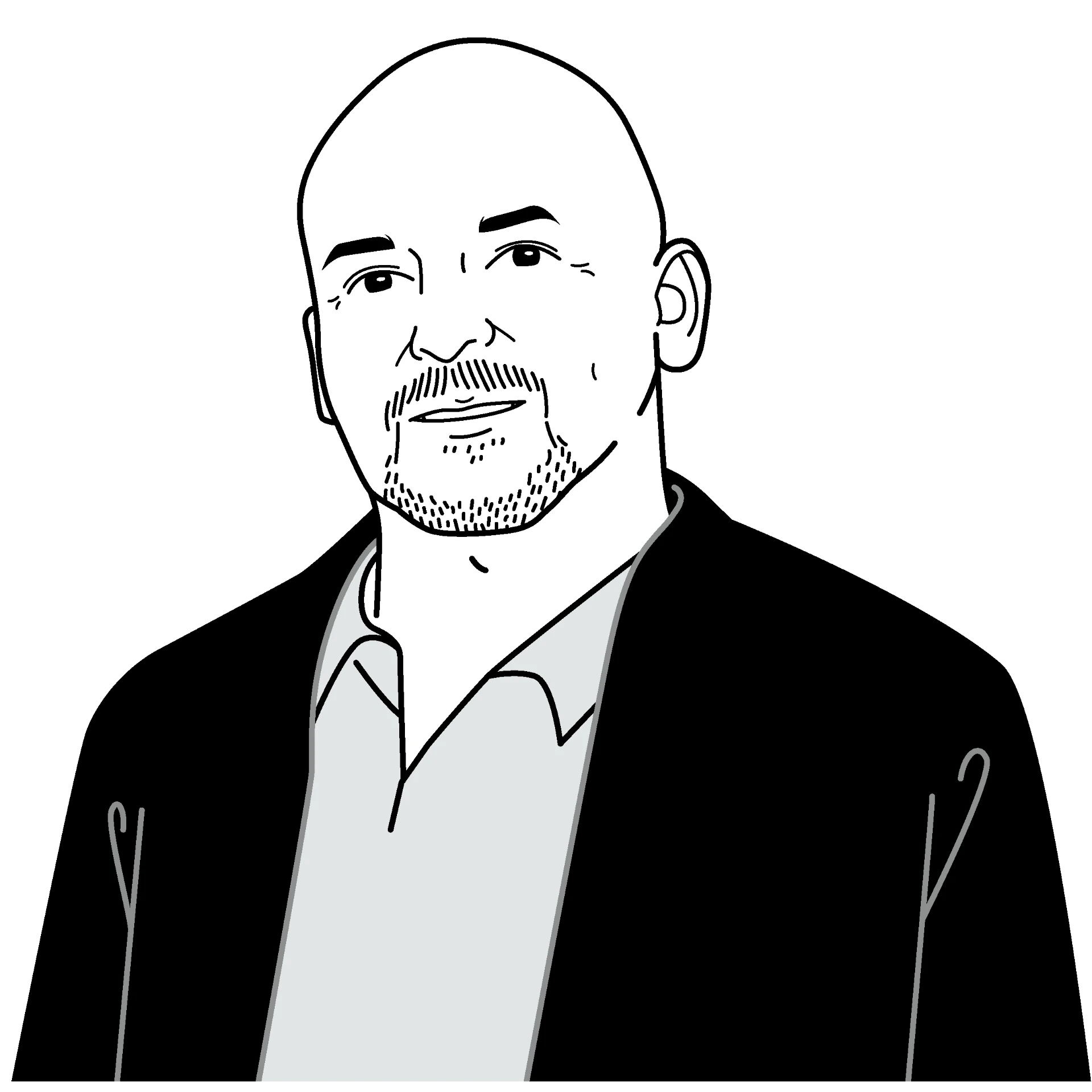
Senior Scientist
Chemist focused on translating keratin research into reproducible processes, from colour and surface chemistry to industrial material performance.
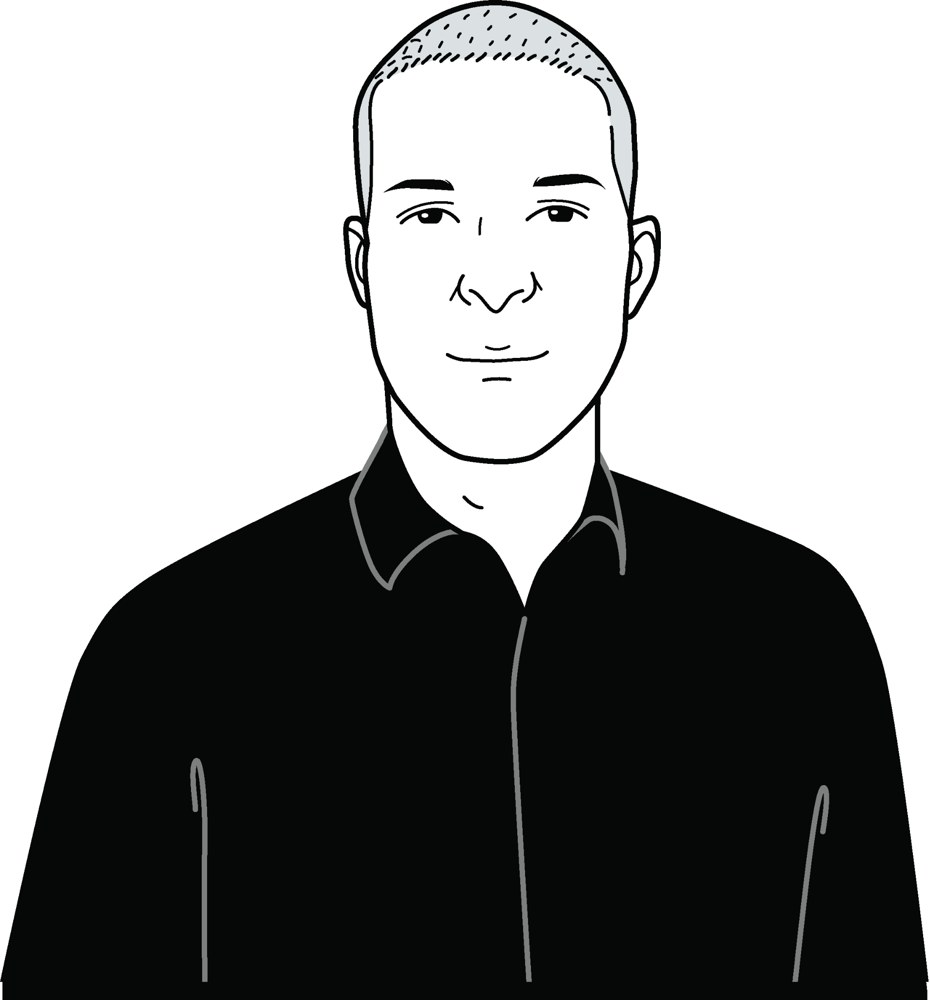
Communication Strategist
Trained in consumer research and economics, Máté combines his love for understanding what drives people and society to help make the story of Human Material Loop impactful.
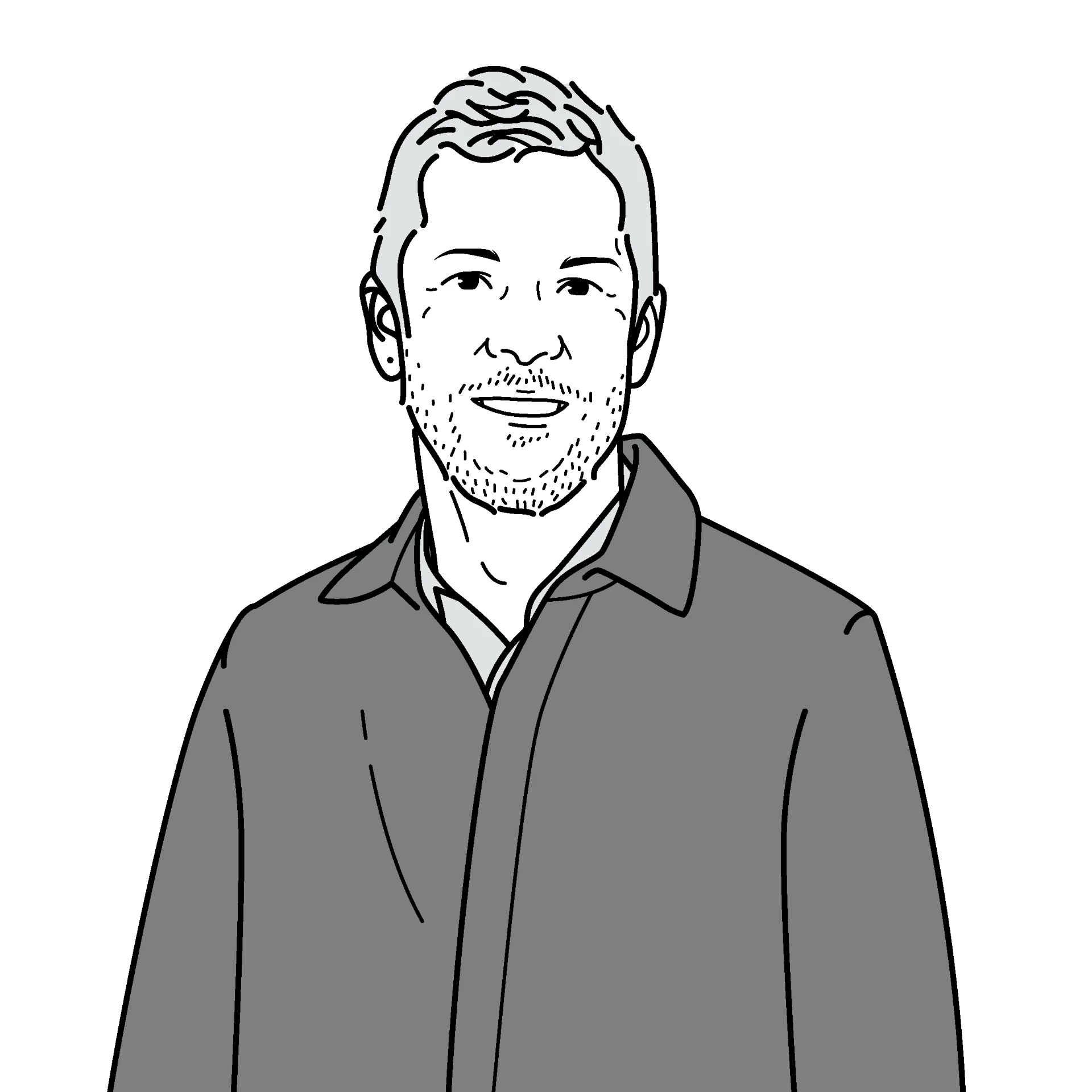
Business Developer
Leading business development and partnerships across the Nordic markets, Richard connects commercial opportunities with the right brands and manufacturers.
While working as a designer, Zsofia Kollar became interested in resources that sit outside conventional material systems. Human hair stood out: a material intimately familiar to us, technically remarkable, continuously available, and almost entirely overlooked once it is cut.
What began as a design investigation quickly became a scientific and engineering challenge.
Turning hair into an industrial material required knowledge far beyond one discipline. Human Material Loop grew around that challenge, bringing scientists, engineers, manufacturers and designers together to build the technology needed to make industrial keratin possible.
2,200 ktonnes
Every year, an estimated 2,200 ktonnes of human hair are discarded globally, largely ending up in landfill or incineration. A resource stream roughly twice the annual volume of the clean wool market exists almost entirely outside our material economy.
We believe this represents something much bigger than waste recovery.
For decades, fossil fuel-derived materials have shaped how industries manufacture at scale. Now, rapid advances in biotechnology, protein engineering and material science are opening another possibility: building high-performance materials from the proteins biology already produces.
Human hair gives us access to keratin at extraordinary scale. By developing the technology to transform this resource into consistent, functional materials and ingredients, we can introduce an entirely new industrial feedstock into existing manufacturing systems.
Our ambition is to establish a new material category: industrial keratin.
Building a new material takes more than proving that something works in the lab. It has to perform consistently, run on industrial machinery, meet established standards and make sense for the people who will manufacture with it.
That is why experience matters.
“Nature gives us variation. Our job is to turn that variation into something industry can rely on.”
Marcel approaches the challenge from the perspective of chemistry and materials science. His work focuses on understanding and controlling the properties of keratin throughout processing, from preparation and colour to surface chemistry and material performance.
For a biological resource, variation is part of the starting point. The scientific challenge is learning how to control that variation and create materials that behave consistently at industrial scale.
“A new fiber only becomes relevant when industry can actually work with it.”
Ron brings decades of experience in fiber engineering, textile manufacturing and industrial process development. His work has focused on turning material innovation into processes that can operate beyond the laboratory.
At Human Material Loop, he brings that experience to a completely new material question: what does it take for keratin-based fibers to become a reliable industrial material?
A new material does not become industrial by staying inside the laboratory.
We develop our technology alongside the companies and research institutions that understand how materials are processed, tested and manufactured at scale. From fiber preparation and chemistry to spinning, nonwovens, weaving, finishing and performance testing, each stage is developed with the realities of existing industrial systems in mind.
This network gives us access to decades of manufacturing knowledge, specialised infrastructure and production capacity across Europe. It also allows us to test a fundamental principle behind Human Material Loop: new materials should not require an entirely new industry to exist.
We are building industrial keratin with the industry that will manufacture with it.
Building a new material category requires perspective beyond our own walls.
Our advisory board brings experience across finance, textile markets, research, innovation, manufacturing and supply chains. They challenge our assumptions, connect scientific progress with commercial realities and bring decades of experience from industries that have already built and scaled materials globally.
Their role is not simply to advise from the outside. It is to help us ask better questions.
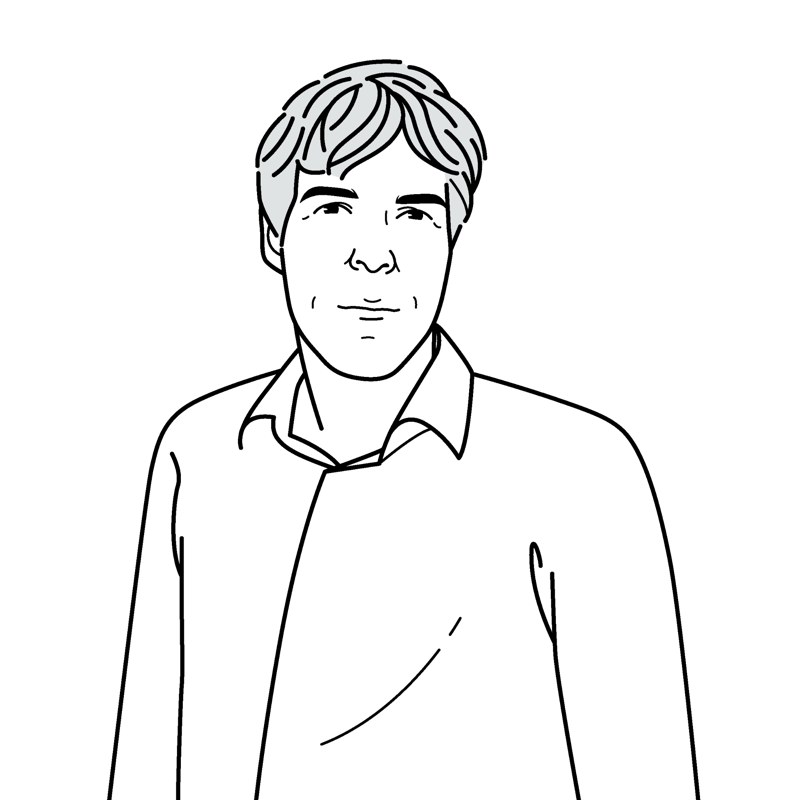
Finance

Textiles & Retail Research

R&D — Innovation
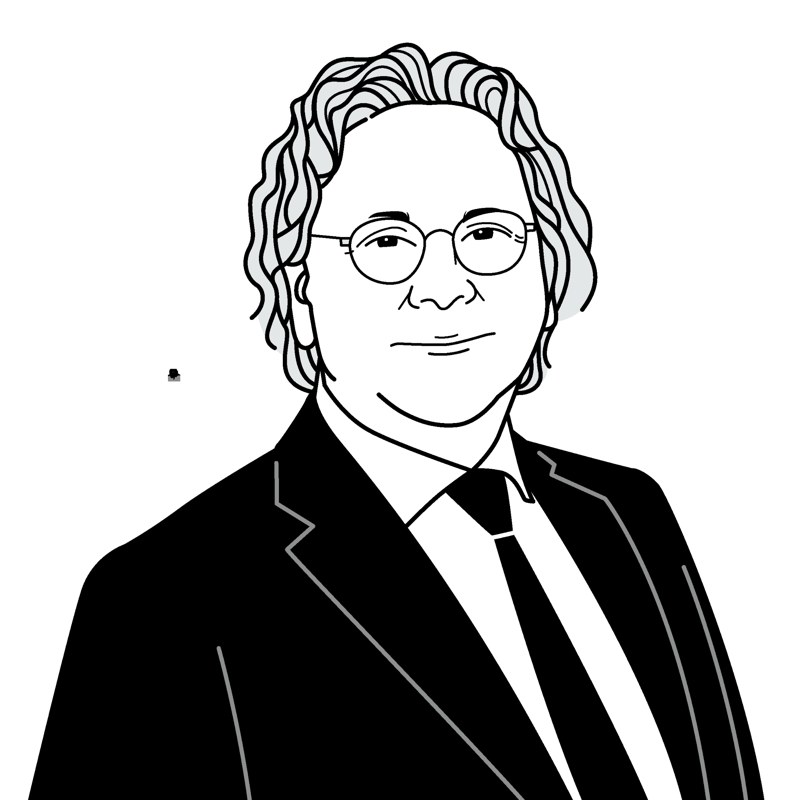
Production

Supply Chain
We regularly work with students and universities on real questions emerging from our development, from material characterization and quality frameworks to business models and manufacturing.
For students, it is an opportunity to work with a material technology as it moves from research toward industry. For us, it brings new thinking into questions we encounter every day.
Maastricht University
Zuyd University of Applied Sciences
Rotterdam University of Applied Sciences
Saxion University of Applied Sciences
Hogeschool Utrecht
Human Material Loop welcomes research institutions, industry associations, manufacturers and companies interested in advancing the understanding and industrial application of keratin.
We are open to joint research, knowledge exchange, testing programmes, manufacturing development and new application research.
Bring us a questionWe are building something for which there is no established playbook.
That means experiments fail, disciplines overlap, questions change and everyone contributes beyond their job title.
We are looking for people who are curious about materials, comfortable with uncertainty and motivated by turning scientific ideas into something that can exist in the real world.
View open positions